

Understanding Comparative Negligence in Texas

If you were injured in an accident and believe you may have been partially at fault, it does not necessarily mean you cannot pursue a claim. Understanding how comparative negligence in Texas works can help clarify your legal options.

Accidents rarely occur in a perfectly clear-cut way. In many cases, more than one person may share responsibility for what happened. When this occurs, Texas law applies the comparative negligence rule. 

Under Chapter 33 of the Texas Civil Practice and Remedies Code, Texas follows a system of proportionate responsibility that allows fault to be divided among the parties involved in an accident. This statute establishes that a person may recover damages only if their percentage of responsibility does not exceed 50 percent. 

Understanding how comparative negligence works is important for anyone considering a personal injury claim.

5* Rating from 500+ Reviews

"*" indicates required fields

Name

Accidents rarely occur in a perfectly clear-cut way. In many cases, more than one person may share responsibility for what happened. When this occurs, Texas law applies the comparative negligence rule. 

Under Chapter 33 of the Texas Civil Practice and Remedies Code, Texas follows a system of proportionate responsibility that allows fault to be divided among the parties involved in an accident. This statute establishes that a person may recover damages only if their percentage of responsibility does not exceed 50 percent. 

Understanding how comparative negligence works is important for anyone considering a personal injury claim.

5* Rating from 500+ Reviews

"*" indicates required fields

Name

What Is Comparative Negligence?

Comparative negligence is a legal doctrine used to determine how fault is shared between the parties involved in an accident.

Rather than assigning blame to only one party, courts evaluate the actions of everyone involved and assign each party a percentage of fault.

This system allows injured individuals to recover damages even when they share some responsibility for the accident.

Texas follows a modified comparative negligence rule, sometimes called the 51% rule.

The Texas 51% Rule

Under Texas law, an injured person can recover compensation only if they are not more than 50 percent responsible for the accident.

This means:

  • If you are 0–50% responsible, you may still recover compensation.
  • If you are 51% or more responsible, you cannot recover damages.

Even when recovery is allowed, compensation is reduced by the percentage of fault assigned to the injured person.

Example

Imagine a jury determines the following outcome from an auto accident:

      • Total damages: $100,000
      • Injured person’s fault: 20%
      • Other party’s fault: 80%
      • Final recovery: $80,000.

Because the injured person is less than 51% responsible, they may still recover damages thanks to the Texas 51% Rule.

The compensation, however, would be reduced by 20%, taking $20,000 off the final compensation so that the final recovery amount becomes $80,000.

Why Comparative Negligence Matters in Personal Injury Cases

Comparative negligence often becomes a key issue in accident claims. Insurance companies frequently attempt to argue that an injured person was partially responsible for the accident. Their goal is to reduce the amount they must pay.

Common arguments insurers may raise include claims that the injured person:

      • Was speeding
      • Failed to react quickly enough
      • Ignored warning signs
      • Contributed to unsafe conditions.

These arguments can significantly affect the outcome of a claim, which is why accident investigations and evidence are so important.

Comparative Negligence in Car Accident Cases

Car accidents are among the most common situations in which comparative negligence applies.

For example, both drivers might share responsibility in a crash if one driver was speeding and the other driver ran a stop sign.

In these situations, investigators examine:

      • Police reports
      • Witness statements
      • Accident reconstruction analysis
      • Vehicle data
      • Traffic camera footage.

The evidence helps determine how responsibility should be divided.

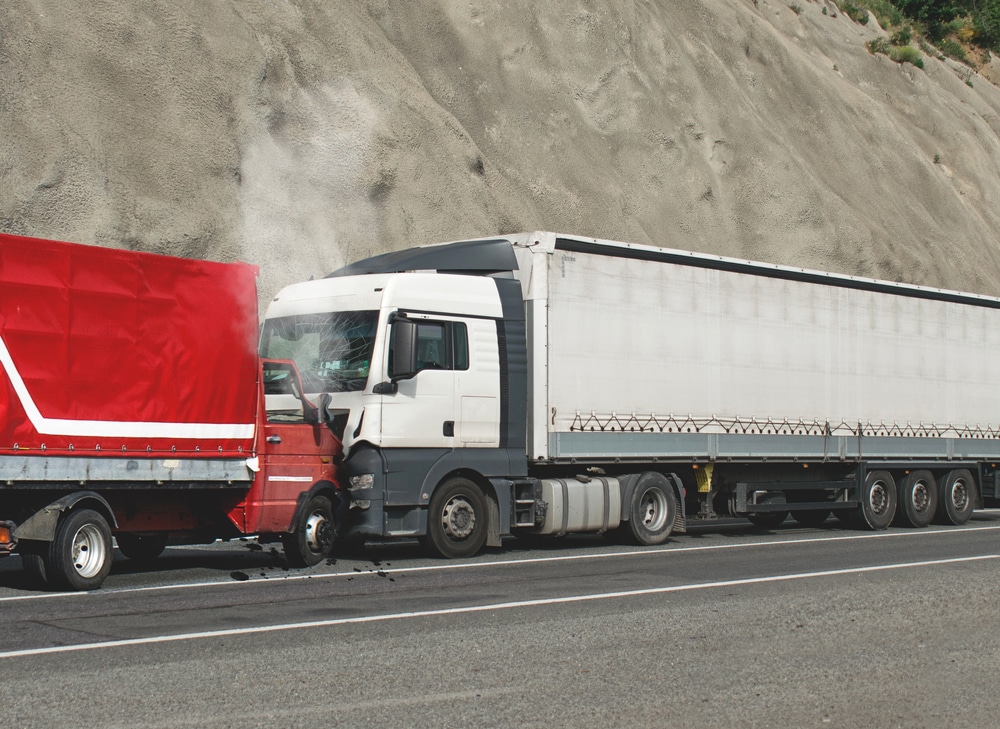
Comparative Negligence in Commercial Truck Accidents

Comparative negligence may also apply in truck accidents and other collisions involving commercial vehicles. However, these cases often involve additional layers of liability beyond the driver.

For example, a trucking company may share responsibility if the accident resulted from:

      • Driver fatigue
      • Inadequate training
      • Unsafe hiring practices
      • Poor vehicle maintenance.

Federal safety regulations enforced by the Federal Motor Carrier Safety Administration (FMCSA) also play an important role in determining whether trucking companies follow required safety standards.

Comparative Negligence in Workplace Injury Cases

Workplace injury claims may also involve comparative negligence issues.

For example, an employer may argue that an injured worker failed to follow safety procedures. However, employers still have a legal duty to maintain a reasonably safe workplace.

Investigations may examine:

      • Workplace safety policies
      • Training records
      • OSHA compliance
      • Equipment maintenance records.

These factors help determine whether negligence occurred and how responsibility should be allocated.

Evidence Used to Determine Fault

Determining fault in an accident often requires careful investigation.

Evidence commonly used in personal injury claims includes:

      • Accident reports
      • Medical records
      • Witness statements
      • Surveillance footage
      • Expert testimony
      • Accident reconstruction analysis.

In complex cases, expert witnesses may be needed to analyze accident mechanics and explain how injuries occurred.

Hear from Our Satisfied Clients

Why Legal Guidance Matters in Comparative Negligence Cases

Comparative negligence cases can be complicated because the outcome often depends on how responsibility is divided between the parties.

Insurance companies frequently attempt to assign a higher percentage of fault to injured individuals to reduce their liability.

An experienced personal injury attorney can help by:

  • Investigating the accident thoroughly
  • Identifying all potentially responsible parties
  • Preserving key evidence
  • Presenting expert analysis when necessary.

This process can help ensure that fault is assigned fairly and that injured individuals receive appropriate compensation under the law.

Schedule a Free Case Review

Dr. Louis Patino, known as “The Law Ninja,” is a bilingual personal injury lawyer with more than 10 years of litigation experience handling complex injury claims on a contingency fee basis.

If you have questions about liability or fault after an accident, call 855-LAW-NINJA to schedule a free case review

5* Rating from 500+ Reviews

"*" indicates required fields

Name

Schedule a Free Case Review

Dr. Louis Patino, known as “The Law Ninja,” is a bilingual personal injury lawyer with more than 10 years of litigation experience handling complex injury claims on a contingency fee basis.

If you have questions about liability or fault after an accident, call 855-LAW-NINJA to schedule a free case review

5* Rating from 500+ Reviews

"*" indicates required fields

Name

Locations We Serve

Our personal injury law firm has successfully represented injured individuals and families across the RGV, Greater San Antonio, and Midland-Odessa regions, ranging from the Rio Grande Valley to the Permian Basin.


Personal Injury Blog

Does Medicare Cover Auto Accident Injuries?

If you’ve tuned into the television recently, you’ve probably seen commercial after commercial reminding you about the Medicare Annual Enrollment Period and to check your plan. The Annual Enrollment Period…
Car Accidents

Does Medicare Cover Auto Accident Injuries?

If you’ve tuned into the television recently, you’ve probably seen commercial after commercial reminding you about the Medicare Annual Enrollment Period and to check your plan. The Annual Enrollment Period…
Car Accidents